
Why Hearing Loss Is Common Among Musicians
12/27/2025
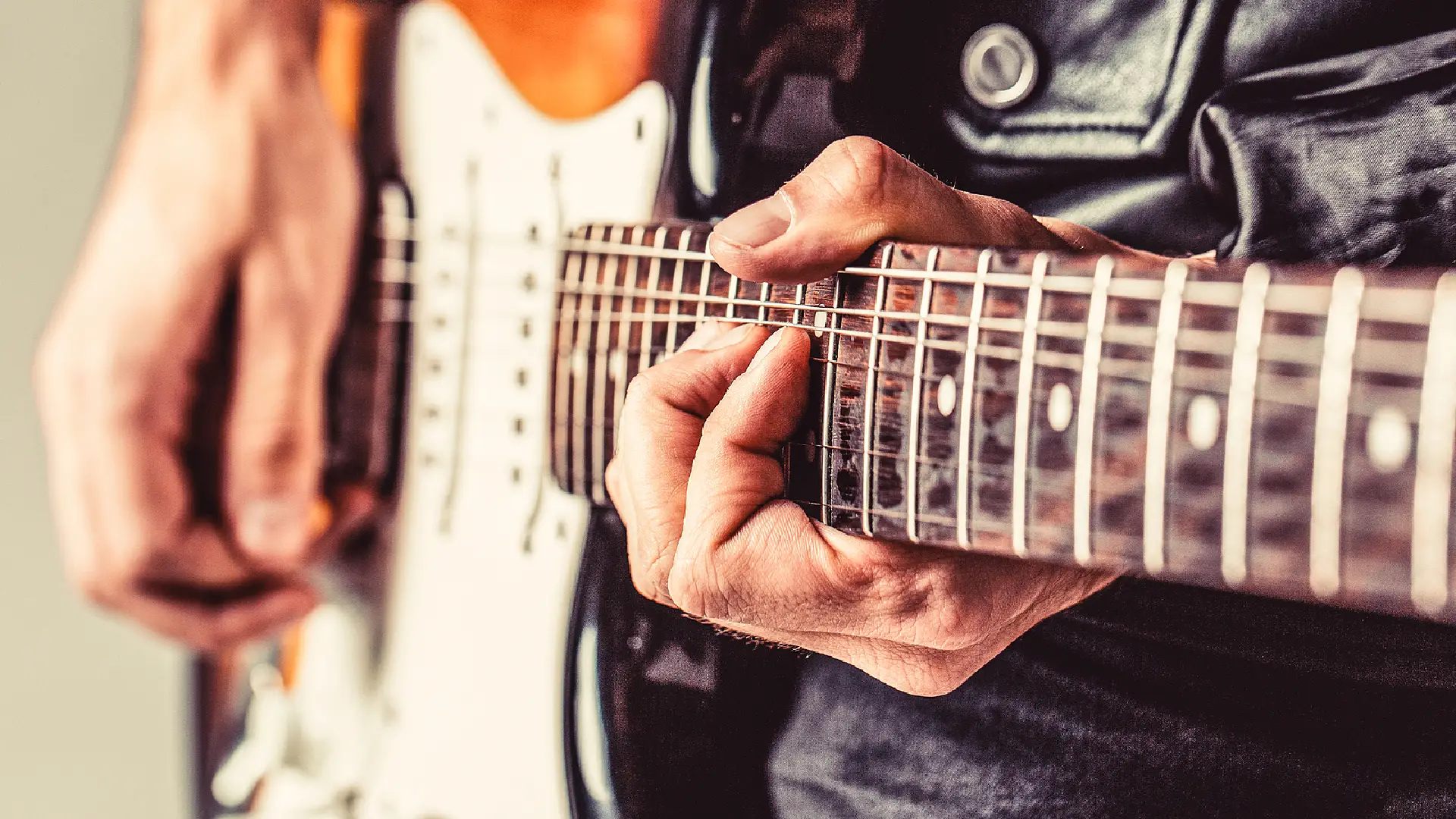
Everyone says that music is a universal language that unites people, evokes strong emotions, and creates memories. But for many musicians, this sound makes them passionate but also harms their hearing. Hearing loss in musicians can affect both professionals and amateurs.
Whether it’s an orchestra, jazz band, or a studio session, any musician can be affected by sound exposure, especially when performing in front of large speakers. Knowing the causes of hearing loss in musicians makes it easy for them to protect their ears while chasing their passion.
The Unspoken Price of Higher Volume
Music can have a lot of sound energy. Long-term exposure to loud music can damage the fragile hair cells in the inner ear. These cells are used to transmit sound signals straight to the brain, and they can’t regenerate if they are damaged. The musician can end up with permanent hearing loss or tinnitus, which is continuous ringing or buzzing in the ears.
If the sound levels are far above acceptable bounds during studio sessions, rehearsals, and concerts, it can affect the ears. This is especially true for electric instrument players, but acoustic musicians and singers aren’t exempt from this. Regular exposure to the sound builds up over time, reducing the ear’s sensitivity to sound. Sometimes, the changes happen slowly, so no one notices until all sounds become muffled.
Why Certain Instruments Are Riskier
Different instruments have different effects on hearing. Sharp, loud sound bursts from brass and percussion instruments can strain the ears. Conversely, string players are subjected to consistent moderate levels that accumulate over time. Orchestra players need to stay close to each other. Even if they are not playing a loud instrument by themselves, a violinist seated near a trumpet player would feel a lot of pressure from the sound.
Another important factor is the way the performance spaces are designed. Constant exposure is increased by sound reflection, where the small venue or places with poor design cause sound to bounce around. These environments are immersive for musicians and orchestra players, but they’re dangerous to their ears because sound bounces off the walls and ceilings.
The Function of Headphones and In-Ear Monitors
In addition to altering how musicians record and perform, technology has also created new hearing hazards. Although studio headphones and in-ear monitors are designed to improve performance accuracy, they can also send harmfully high decibel levels straight into the ear canal. The effect is just like standing too close to a loudspeaker when attending a concert.
These devices are used by musicians to listen to music and block out all the noise, but over time, habit and weariness can cause them to increase the volume. The ear will adjust to the loud noise, and the person will get used to it. Progressive hearing loss happens after this cycle, and it trains the ear to adapt to damaging sound levels without any discomfort.
Tinnitus and the Quiet Stress of Music Professions
Tinnitus turns into an unwanted background noise that bothers many musicians long after the music has ended. Despite being one of the first signs of hearing loss, this condition is written off as transient. Constant ringing can disrupt sleep, focus, and even emotional health.
Tinnitus and hearing loss can have psychological repercussions in addition to their physical ones. The ability to detect minute variations in tone and pitch is important to musicians. Losing that sensitivity can cause anxiety or frustration, which can impair confidence and performance. Some even start to avoid creative or social settings out of concern that their hearing will be further taxed.
Taking Action Toward Better Hearing Health
Taking steps to raise awareness of hearing health issues is just the first step. Regular evaluations of hearing aids in the early detection of changes, enabling interventions before the harm gets worse. Prioritizing hearing protection helps musicians enjoy the sounds they love for a longer, healthier career.
Musicians can get help from hearing health professionals in selecting specialized hearing protection and arranging for regular examinations. These professionals know how to strike a balance between long-term wellness and performance requirements.