
The Role of Vitamin Supplements in Hearing Health
05/28/2026
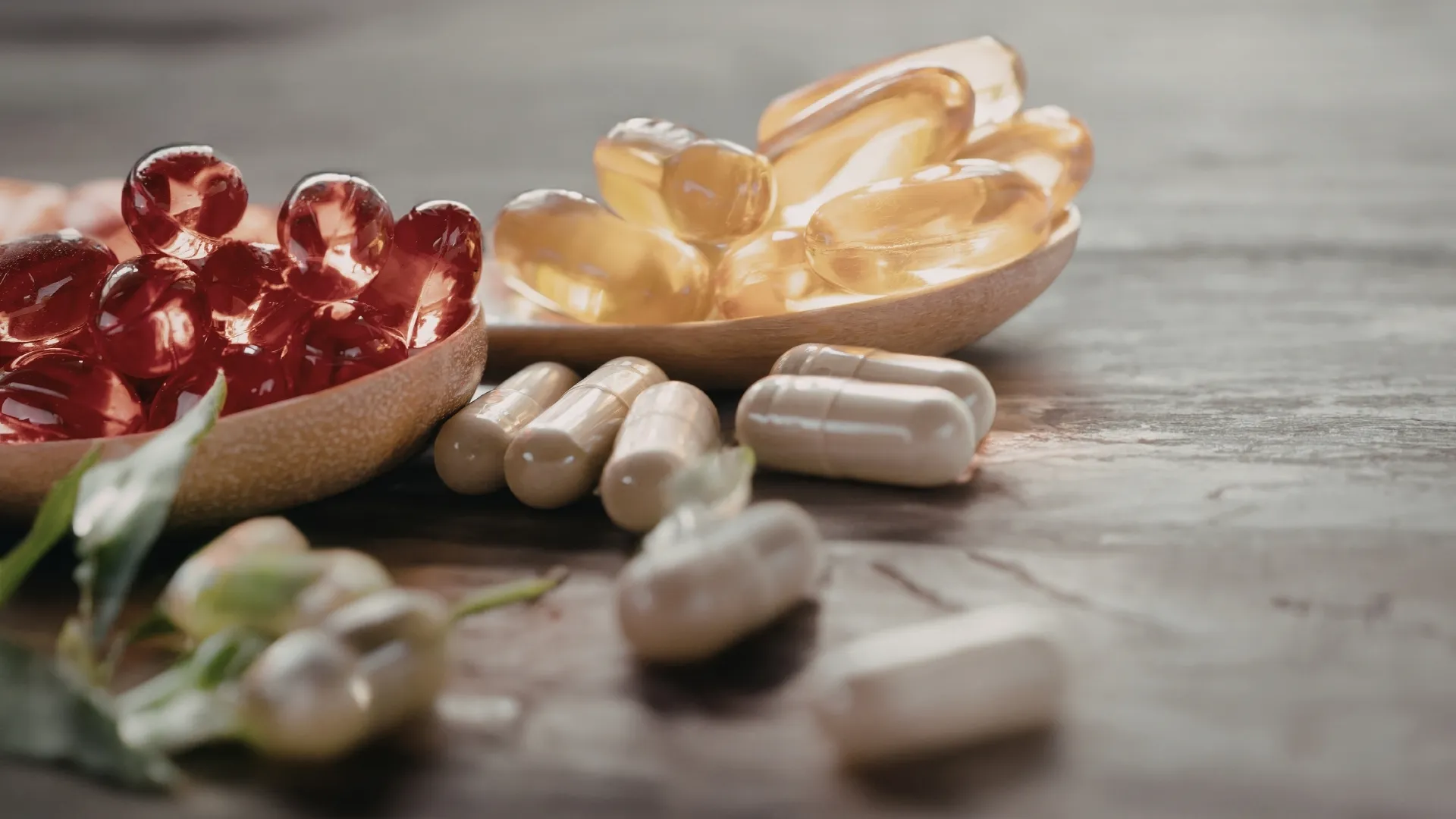
Hearing health plays a major role in communication, social well-being, and overall quality of life. While many factors influence hearing ability, nutrition has become an important topic of scientific interest. Researchers have studied how vitamins and minerals may affect the structures of the ear, the nervous system, and the blood supply that supports hearing. Some people wonder if vitamin supplements can help prevent hearing loss or improve ear function. Although supplements cannot cure most forms of hearing loss, certain nutrients may support healthy hearing when combined with good lifestyle habits and regular medical care.
How Hearing Works and Why Nutrition Matters
The human ear is a complex system that turns sound waves into signals that the brain can understand. The outer ear collects sound, the middle ear amplifies it, and the inner ear converts it into electrical signals for the brain. Tiny hair cells in the inner ear detect sound vibrations. These hair cells do not grow back once damaged, which is one reason hearing loss is often permanent.
Nutrition matters because the inner ear relies on a strong blood supply and healthy cellular function. Vitamins and minerals help the body manage inflammation, maintain blood flow, and protect cells from harmful molecules known as free radicals. These free radicals can damage cells when they build up over time. Antioxidants found in certain foods and supplements help lower this risk.
Vitamins and Nutrients Linked to Hearing Health
Several nutrients have been studied for their potential roles in hearing. While more research is needed, early findings suggest that the following vitamins and minerals may influence ear function:
- Antioxidants such as vitamins C and E
- Vitamin B complex, especially B12 and folate
- Minerals such as magnesium and zinc
These nutrients are thought to support hearing through different biological pathways. For example, antioxidants may protect the inner ear from noise-related damage, while B vitamins may support nerve health.
Antioxidants and Inner Ear Protection
Antioxidants like vitamins C and E are found in fruits, vegetables, nuts, and seeds. They help the body defend against oxidative stress, which occurs when free radicals build up faster than the body can remove them. Exposure to loud noise, smoking, aging, and health conditions such as diabetes can increase oxidative stress in the ear.
Some studies suggest that antioxidants may reduce the risk of noise-induced hearing loss in certain situations. For example, research using animal models has shown that combinations of vitamin E and magnesium may protect the inner ear from loud noise exposure. While human studies are more limited, these findings highlight the potential value of balanced nutrition for ear health.
B Vitamins and Nerve Function
The auditory nerve carries sound signals from the inner ear to the brain. Healthy nerve function depends on B vitamins, particularly vitamin B12 and folate. These vitamins help the body make red blood cells and maintain proper neurological function. Low levels of B12 and folate have been linked to tinnitus in some patients. Tinnitus is a condition that causes ringing or buzzing in the ears.
Vitamin B6 is also involved in neurotransmitter production. Neurotransmitters are chemicals that help nerves communicate. While B vitamins do not reverse hearing loss caused by damaged hair cells, they may support neurological pathways involved in hearing.
Minerals That Support Hearing
Minerals such as magnesium and zinc have received attention in hearing research. Magnesium may help protect the inner ear from noise-related damage by improving blood flow and reducing oxidative stress. Zinc is involved in the immune system and cellular repair. Some studies have explored zinc as a potential therapy for tinnitus, though results have been mixed.
These minerals are available in many foods. Whole grains, nuts, seeds, and leafy vegetables are sources of magnesium. Zinc can be found in meat, beans, dairy products, and seafood. Supplementing without a medical reason is not always necessary, but these nutrients play valuable roles in general health.
Conclusion
Vitamin supplements cannot cure hearing loss, but certain nutrients may support healthy ear function and help reduce risk factors associated with aging and noise exposure. Antioxidants, B vitamins, magnesium, and zinc have been studied for their potential roles in hearing health. A balanced diet rich in whole foods provides many of these nutrients naturally. Before starting supplements, individuals should seek medical advice to ensure safe and appropriate use. Good hearing habits, such as avoiding loud noise and attending regular checkups, remain the most effective strategies for long-term hearing protection.