
Simple Cleaning Habits That Prevent Hearing Aid Damage
02/15/2026
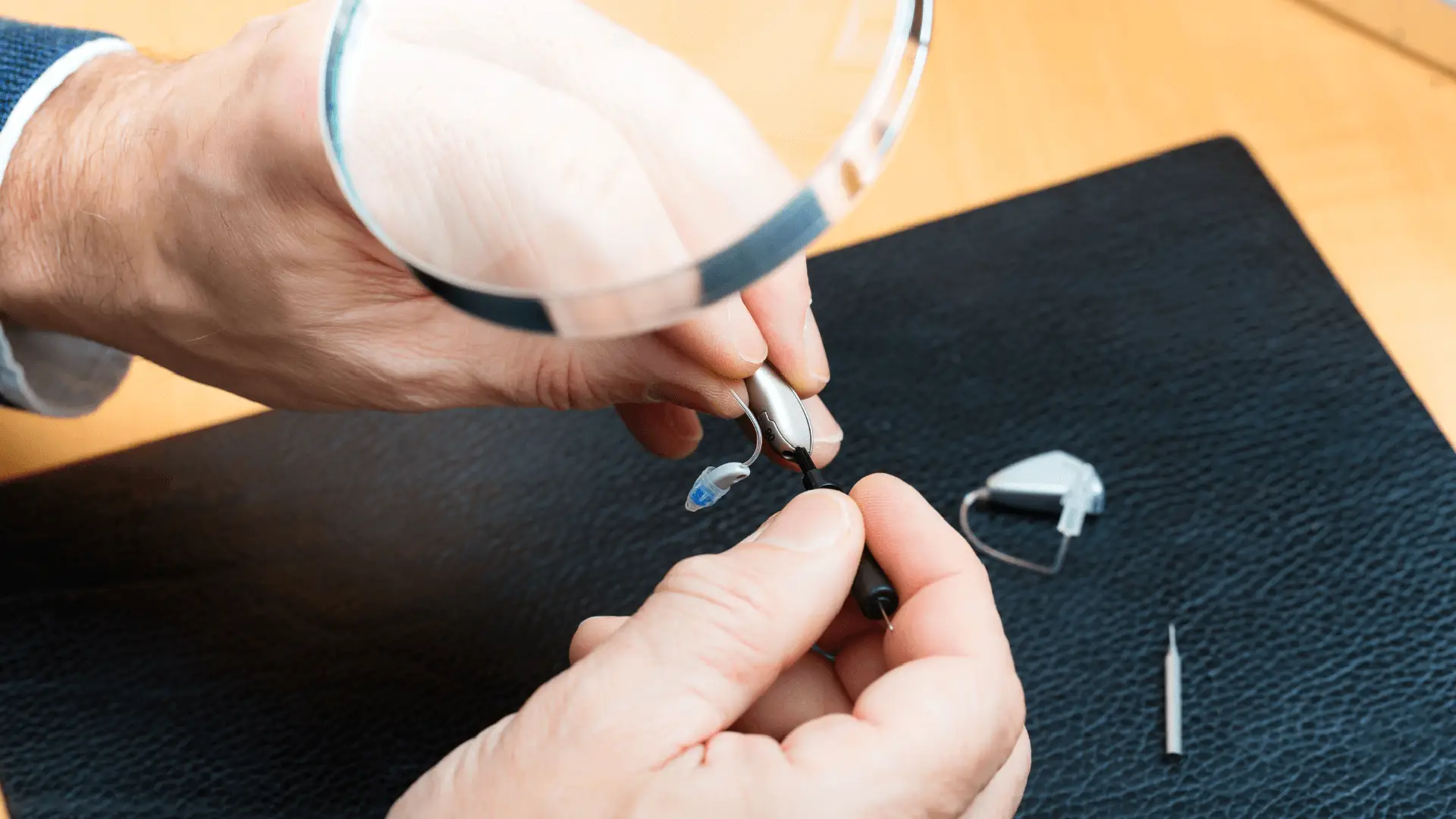
Hearing aids work hard every day, yet most people do not realize how much they endure from moisture, skin oils, and everyday debris. Over time, these small factors can collect and cause muffled or distorted sound. A few simple cleaning habits can protect the devices and help them last longer.
Many people are unsure how to clean hearing aids properly, but setting a routine makes it easier. When cleaning becomes part of a relaxed daily routine rather than a chore, hearing aids stay clearer, more dependable, and far more comfortable to wear.
Why Regular Care Matters More Than Most Expect
Regular care supports better sound quality because debris tends to gather around microphones, receivers, and tiny openings. These areas are designed to stay open, allowing sound to travel through without interference. When buildup blocks the pathway, the hearing aid may sound weak, muffled, or distorted. Even small amounts of debris can create noticeable changes, which is why steady care makes such a difference.
Debris blocking sound outlets or vents can reduce clarity and may contribute to performance issues over time. A few minutes of simple cleaning can protect the device and maintain comfort throughout the day.
Moisture Control Begins Before Cleaning
Moisture remains one of the most common causes of hearing aid issues. Simple daily habits can help keep moisture from building up inside the device. After wearing, storing hearing aids in a dry case or using a hearing aid dehumidifier helps reduce moisture buildup.
Moisture awareness also matters during routine cleaning. If a device gets damp or exposed to sweat during physical activity, a short drying period helps maintain sound quality. Avoiding wipe-downs with wet cloths or cleaning solutions further protects delicate components.
Gentle Cleaning Steps That Protect Technology
Hearing aids respond best to gentle cleaning tools designed specifically for small openings. A soft, dry cloth can remove surface oils, while tiny brushes help clear debris from microphones and receiver ports. These tools allow careful cleaning without damaging sensitive parts.
Wipe earmolds or domes regularly. If they are removable, you can wash them with mild soap and water, but avoid getting moisture on the electronic parts. These parts often collect buildup from regular wear. A simple wipe every day reduces any discomfort that can occur when debris gathers near the ear.
How Wax Guards Support Everyday Reliability
Wax guards play a bigger role in hearing aid performance than most people realize. These small components help block debris from entering the receiver, which protects the most delicate part of the device. Wax guards should be replaced when clogged, because cleaning them can damage the filter and not fully remove buildup. Replacing them when needed helps restore clarity right away.
Many people underestimate how quickly wax can affect hearing aid sound. Even those with minimal buildup can experience shifts in clarity when wax collects around openings. Checking wax guards during cleaning helps prevent sudden issues that may feel alarming or confusing.
Keeping Storage Clean and Practical
Storage plays a quiet but important role in hearing aid care. A clean and dry storage case keeps the device protected during rest. Leaving hearing aids in places like bathrooms or humid areas may expose them to moisture or cleaning products in the air.
Knowing that the hearing aids rest in the same safe place every night reduces stress and helps create a routine that feels easy to follow. When cleaning tools and extra batteries stay nearby, daily care becomes even smoother.
When Professional Care Supports Daily Efforts
Daily habits protect hearing aids, yet professional cleanings add another layer of support. Hearing health professionals use specialized equipment to remove deep debris that everyday tools cannot reach. Professional cleanings can remove deep or stubborn debris and check internal components for wear or moisture damage.
Anyone noticing sudden changes in sound clarity or comfort can reach out to a hearing health professional for support. Small issues are easier to solve when addressed early. Contact our hearing health professional if you notice persistent sound quality changes or discomfort despite regular cleaning.