
Why Hearing Aid Fittings Matter More Than You Think
02/27/2026
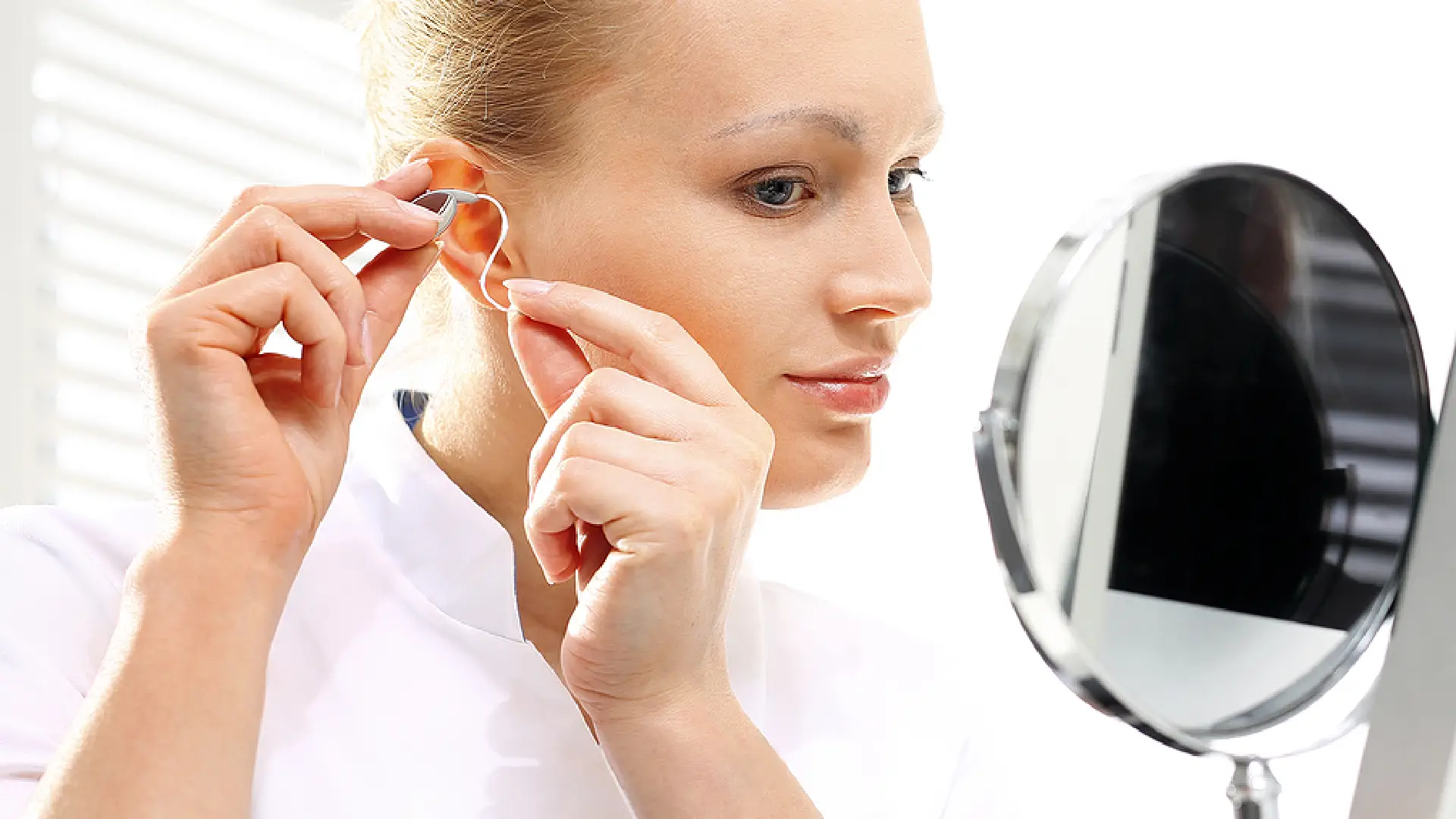
Many people assume hearing aids work well right out of the box, but the truth is they are individualized. A hearing aid fitting shapes how the device performs from day to day, and it plays a larger role in comfort and clarity than most expect.
A fitting session is not just about matching a device to an ear. Fittings tailor amplification to a person’s unique hearing thresholds and typical listening environments. Professional fitting improves both comfort and sound quality by matching the device to individual hearing needs.
Why a Proper Fit Changes Daily Comfort
A hearing aid works best when it sits securely and comfortably. Even a tiny shift in placement can affect how sound reaches the ear. If the fit is too loose or too tight, feedback (whistling) or discomfort may occur, and proper fitting and adjustment can reduce it. A well-conducted fitting prevents these issues by ensuring the device sits in the right position for clear sound and lasting comfort. The goal is to help the ear feel supported, not burdened.
Comfort increases the likelihood of daily use. When a person forgets the device is there, listening becomes more natural. A thoughtful fitting shapes that experience. Many people are surprised by how much easier conversations feel when the device rests properly.
How Precision Affects Sound Quality
Hearing aids amplify sound in different ways depending on frequency, environment, and a person’s hearing pattern. A precise fitting helps the device amplify only what is needed. Without precise fitting, some sounds may be under- or over-amplified, reducing clarity and comfort. When the device receives accurate programming, voices feel clearer and background noises feel more manageable.
Small adjustments during the fitting make a large difference. A single change in programming can help someone hear speech more easily in busy rooms or understand soft voices without guessing. Sound quality improves when fitting targets are achieved and verified using objective measures such as real-ear measurement.
Why Real-World Listening Needs More Than Setup
A hearing aid fitting goes beyond adjusting sound in a quiet office. It considers a person’s daily life, work environment, family routines, and social interactions. The goal is to ensure the device works well in real situations, not just during the appointment. People spend time in noisy restaurants, busy workplaces, and lively family gatherings.
During a fitting, the hearing health professional asks about common listening challenges and tailors the settings to support those experiences. Many people feel relieved once the device finally matches their actual listening environment rather than only quiet clinical settings. Fittings consider real-world listening tasks such as noisy restaurants or meetings.
The Connection Between Fit and Long-Term Success
Long-term success with hearing aids relies on consistency. When the device feels good and sounds clear, people wear it more often. Regular use supports auditory acclimatization, helping the brain adjust to amplified sound over time. A proper fit supports this consistency by making daily wear comfortable rather than exhausting.
A poor fit, on the other hand, can discourage use. If a device feels uncomfortable or unpredictable, people may set it aside. This interruption slows progress and can lead to more frustration. A fitting ensures that the device supports daily needs and promotes steady improvement rather than setbacks.
How Fine-Tuning Strengthens Communication
When hearing aids are fitted well, conversations feel easier to understand in real situations. People can follow the flow of speech more easily, and they no longer feel left out during group discussions. This improvement often strengthens relationships at home, work, and social settings.
Fine-tuning during follow-up appointments helps support this progress. As the brain adapts to new sound patterns, adjustments may be needed to maintain clarity. A supportive fitting process includes these ongoing changes. Ongoing adjustments help maintain clarity and comfort as listening needs change.
Reaching Out for Professional Support
Professional fitting and follow-up support consistently improve hearing aid satisfaction and performance. It supports comfort, clarity, and long-term success. Anyone who notices discomfort, sound distortion, or difficulty hearing in everyday situations can benefit from a fitting or adjustment. These sessions help bring out the best performance in the device and create a more relaxed listening experience.
For anyone unsure where to begin, a local hearing health professional can provide guidance. Hearing health professionals can provide fittings, adjustments, and guidance tailored to individual hearing needs.