
How Barometric Pressure Drops Trigger Migraines and Ear Fullness
09/01/2026
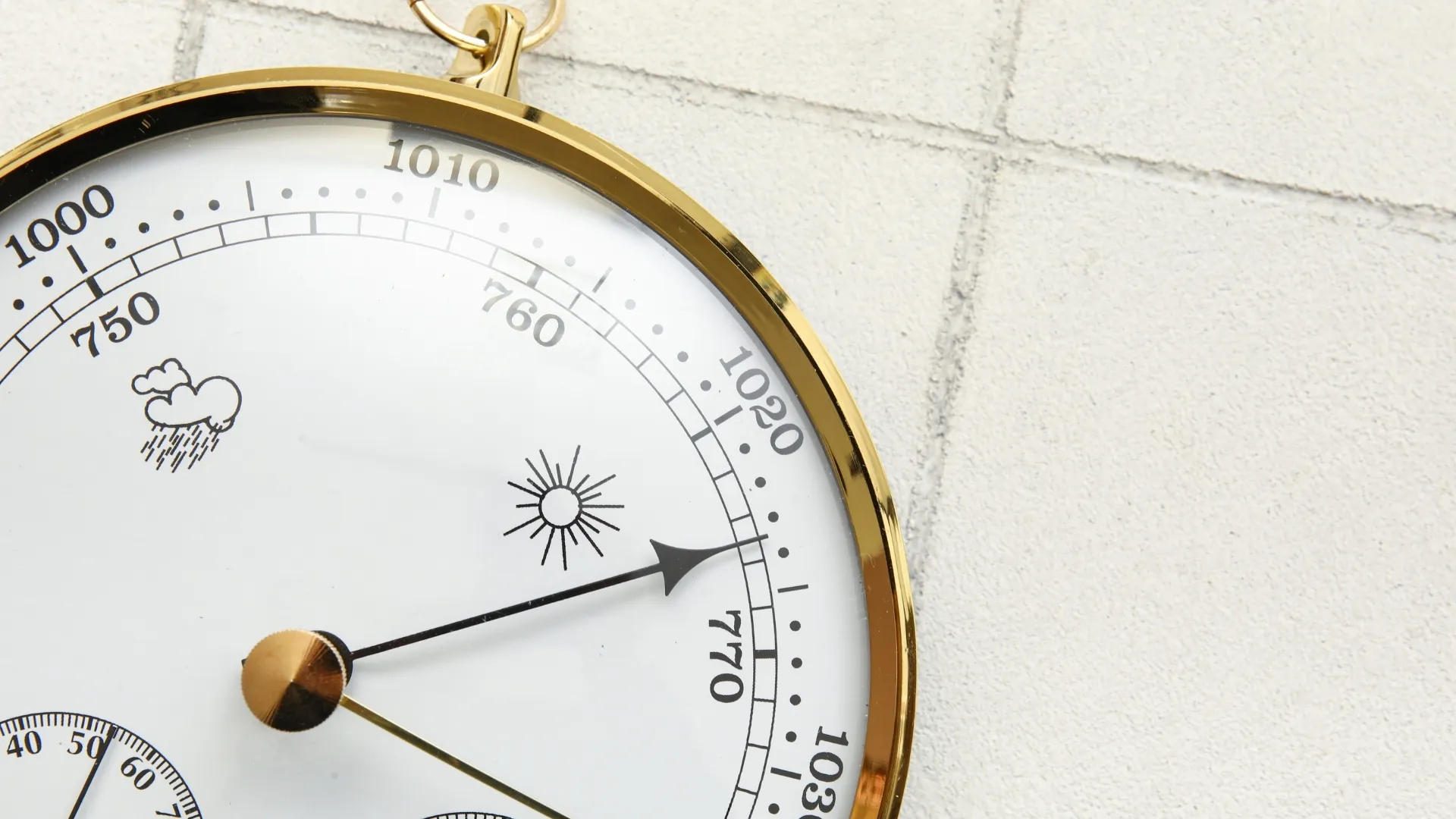
Many people notice physical symptoms when the weather changes. A sudden storm, a cold front, or a significant drop in atmospheric pressure can leave some individuals feeling uncomfortable. Among the most common complaints are migraines and a sensation of ear fullness.
While apparent weather changes affect everyone differently, barometric pressure fluctuations can influence the body’s systems in ways that contribute to discomfort. Understanding how these pressure changes affect the ears and head can help people recognize symptoms and know when professional evaluation may be beneficial.
What Is Barometric Pressure?
Barometric pressure, also called atmospheric pressure, is the weight of the air pressing down on the Earth. This pressure changes as weather systems move through an area. High-pressure systems often bring stable weather, while low-pressure systems are frequently associated with storms, rain, and changing conditions.
As atmospheric pressure rises or falls, the body may need to adjust to maintain balance between internal and external pressure levels. For some individuals, these adjustments occur easily. For others, pressure changes can trigger noticeable symptoms.
How the Ears Respond to Pressure Changes
The ears contain a small passageway called the Eustachian tube. This tube connects the middle ear to the back of the throat and helps regulate pressure on both sides of the eardrum.
When barometric pressure changes rapidly, the Eustachian tubes must adjust to equalize pressure. If they do not respond efficiently, a pressure imbalance can develop. This imbalance may create sensations such as:
- Ear fullness
- Mild discomfort
- Popping or clicking sensations
Many people experience similar feelings while flying or traveling through mountainous areas.
The Connection Between Weather and Migraines
Many migraine sufferers report that weather changes can trigger headaches. Researchers believe fluctuations in barometric pressure may influence blood vessels, nerve activity, and pressure-sensitive structures within the head.
When atmospheric pressure drops, some people become more vulnerable to migraine symptoms. Common migraine symptoms may include:
- Throbbing head pain
- Sensitivity to light or sound
- Nausea
- Dizziness
Not everyone reacts to weather changes in the same way, but barometric pressure shifts are recognized as a potential trigger for certain individuals.
Why Migraines and Ear Symptoms Often Occur Together
The ears and balance system are closely connected to structures within the head that can be affected during migraines. Some individuals experience ear pressure, muffled hearing, ringing sensations, or dizziness before, during, or after a migraine episode.
Since these symptoms can overlap with hearing and balance disorders, determining the exact cause may require professional assessment.
The combination of ear fullness and headaches can sometimes make it difficult to identify whether symptoms are related to weather, migraines, hearing concerns, or a combination of factors.
Managing Symptoms During Pressure Changes
While it may not be possible to prevent weather changes, certain strategies may help reduce discomfort. Helpful approaches include staying well hydrated, managing allergy symptoms, and maintaining consistent sleep habits.
Some people find that tracking weather patterns and symptom timing helps them anticipate potential migraine triggers. Keeping a symptom journal can provide useful information when discussing concerns with healthcare providers.
When to Consider a Hearing Evaluation
Although weather-related ear fullness is often temporary, persistent symptoms should not be ignored. If ear pressure, muffled hearing, or difficulty understanding speech continues beyond weather changes, a comprehensive hearing evaluation may be beneficial.
Professional hearing testing can help identify hearing concerns and evaluate overall auditory health. A hearing health professional can determine whether symptoms are related to hearing function, pressure regulation, or another underlying issue.
Understanding Tinnitus and Pressure Changes
Some individuals notice ringing, buzzing, or other phantom sounds during periods of pressure fluctuation. These symptoms may be associated with tinnitus. Since it can have multiple causes, professional evaluation is important when symptoms become persistent or bothersome. Identifying contributing factors can help guide appropriate management strategies.
Conclusion
Barometric pressure drops can affect the body’s ability to regulate pressure within the ears and may contribute to migraines in susceptible individuals. While occasional symptoms are common, ongoing hearing changes, persistent ear pressure, or recurring tinnitus deserve professional attention.
Understanding the connection between weather, migraines, and ear health can help individuals take proactive steps to manage symptoms and maintain overall well-being.