
Essential Elements of a Hearing-Safe Self-Care Routine
08/03/2026
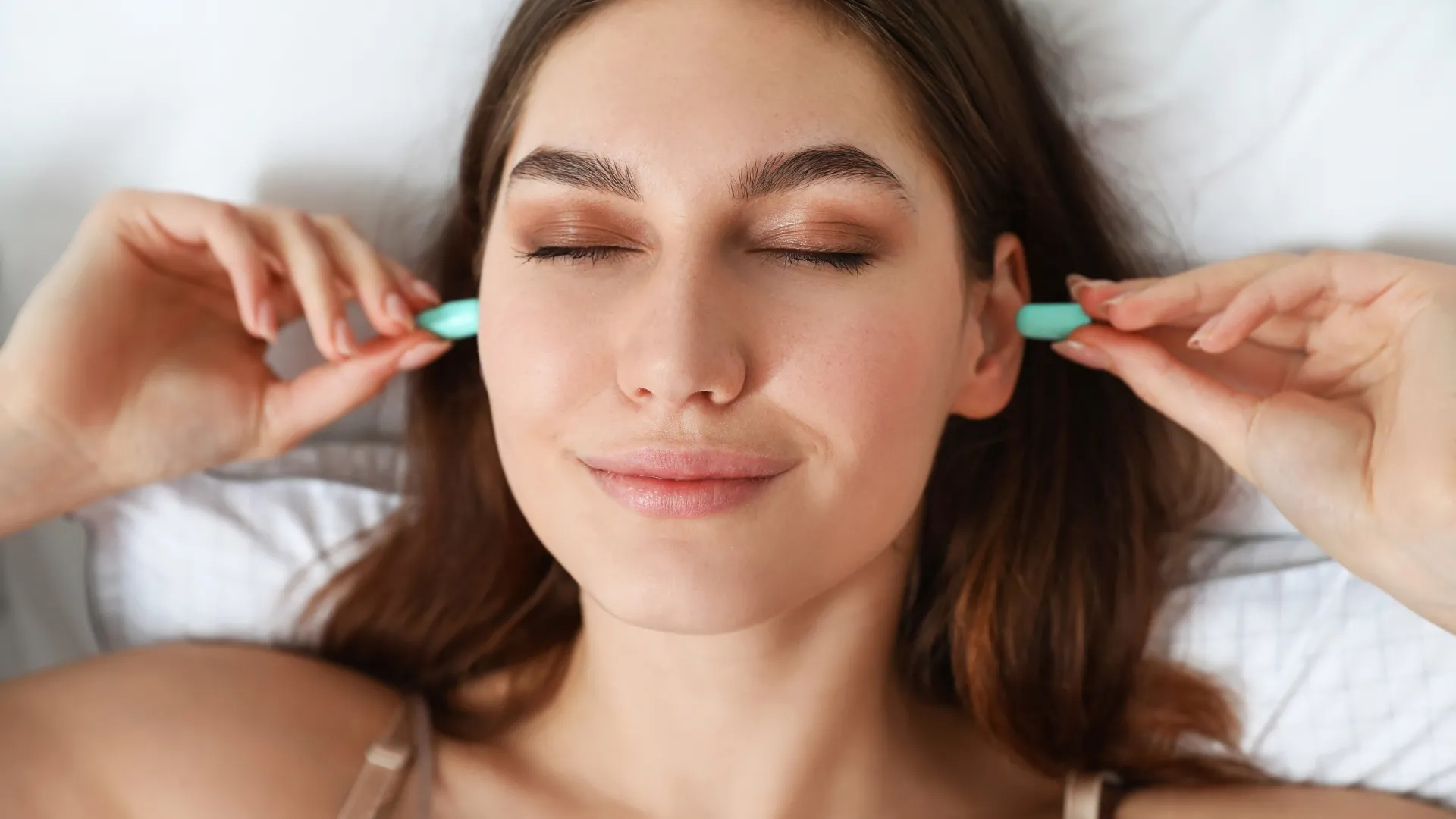
Creating a self-care routine that prioritizes hearing health involves a few key practices that can be easily incorporated into daily life. This routine can help further your hearing health for years to come.
Mindful Listening and Sound Awareness
One of the first steps is to become more aware of the sounds around you and their potential impact. This means actively noticing how loud your environment is, whether it is your commute, your workplace, or your recreational activities. Are you frequently exposed to noises that make it hard to hear someone speaking just a few feet away? Is the music you are listening to so loud that it drowns out everything else? By being mindful of sound levels, you can make informed decisions to reduce your exposure when necessary. This proactive approach helps you take control of your auditory environment rather than letting it control you.
Protecting Your Ears from Loud Noises
This is perhaps the most direct way to build a hearing-safe routine. Whenever you anticipate being in a noisy environment, use hearing protection. This includes:
- Earplugs: Simple foam or silicone earplugs are inexpensive and effective for concerts, sporting events, noisy workplaces, or even when using loud machinery at home.
- Earmuffs: These offer greater protection and are often used for activities like lawn mowing, woodworking, or shooting.
- Headphones with Care: If you use headphones or earbuds, follow the “60/60 rule”: listen at no more than 60% of the maximum volume for no longer than 60 minutes at a time. Taking breaks gives your ears a chance to recover. Noise-canceling headphones can also be beneficial, as they allow you to listen at lower volumes by blocking out external noise.
Understanding how to properly protect your hearing is critical for long-term hearing health.
Giving Your Ears a Rest
Just like the rest of your body, your ears need quiet time to recover. If you have been in a noisy environment, spend some time in a peaceful setting afterward. This allows your auditory system to relax and can help prevent temporary hearing changes from becoming permanent. Creating a quiet sanctuary at home is another excellent self-care practice. Engaging in quiet activities like reading, meditation, or gentle stretching can also be part of this “auditory detox.”
Holistic Health for Hearing
Your overall health significantly impacts your hearing. A balanced diet rich in antioxidants, vitamins, and minerals supports the delicate structures of your inner ear. Regular physical activity improves circulation, which is vital for inner ear health. Managing stress through techniques like yoga, deep breathing, or mindfulness also benefits your auditory system, as chronic stress can indirectly affect hearing. By taking care of your body as a whole, you are also taking care of your ears.
Regular Hearing Check-ups
Just as you visit the dentist or eye doctor, regular hearing evaluations are a vital part of a comprehensive hearing-safe self-care routine. A professional hearing test can detect early signs of hearing changes, even before you might notice them yourself. Early detection enables timely intervention and guidance on preserving your hearing. It’s a proactive step that empowers you to stay informed about your hearing health.
The Long-Term Benefits
Incorporating these practices into your self-care routine provides immense long-term benefits. You will not only reduce your risk of hearing loss and related conditions like tinnitus but also experience improved focus, reduced stress, and a greater overall sense of well-being. By being kind to your ears, you are investing in your future ability to enjoy all the rich sounds life has to offer, making your self-care truly holistic and deeply rewarding.