
Hearing Aids and Active Sports: What You Should Know
06/15/2026
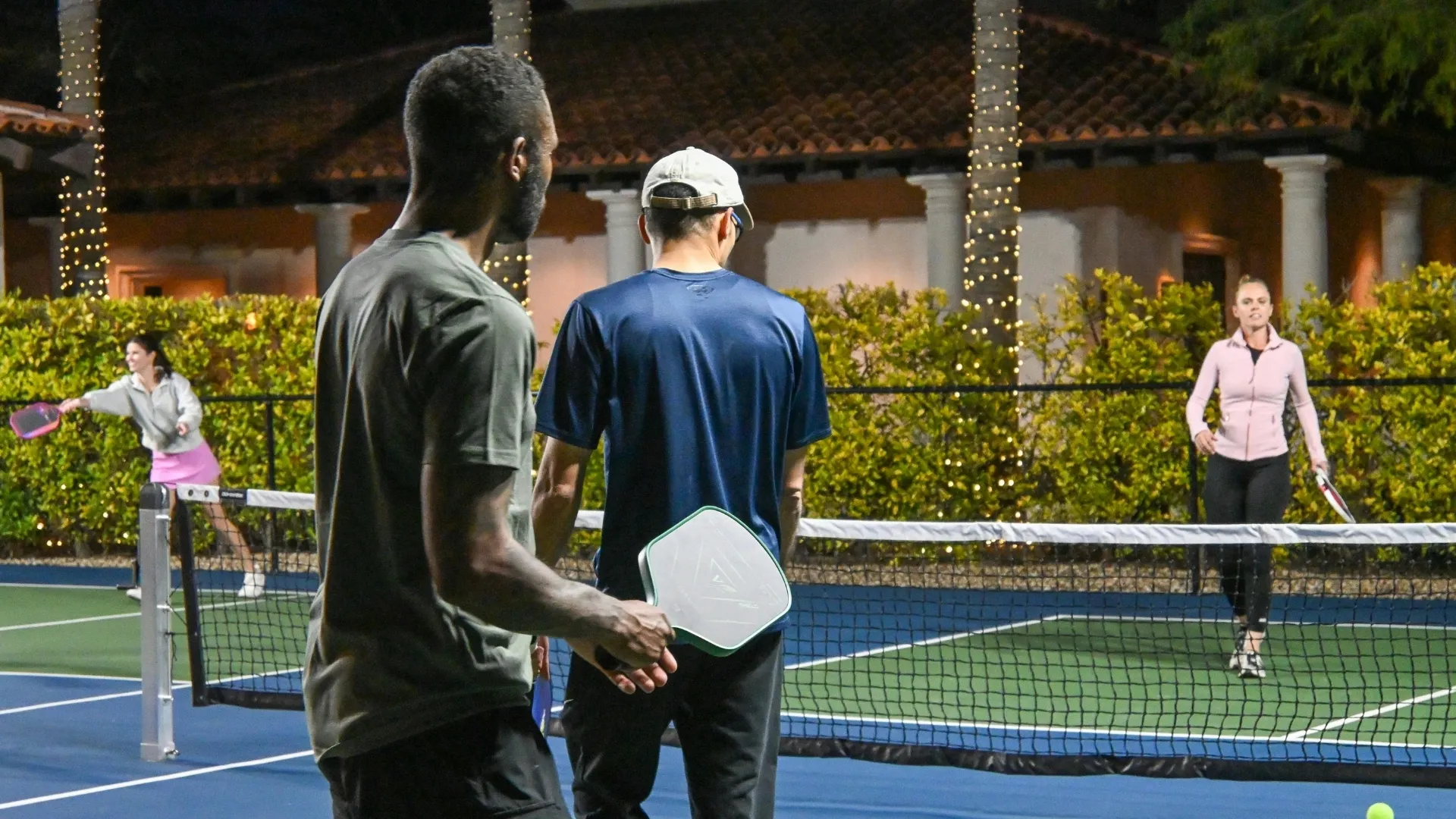
An active lifestyle is important for maintaining good health. Many people enjoy sports such as running, cycling, and team activities. For individuals who use hearing aids, it is common to wonder how these devices perform during physical activity. The good news is that modern hearing aids are designed to support active lifestyles.
With proper care and the right device, users can enjoy sports without giving up clear hearing. Understanding how hearing aids function during activity can help individuals stay safe and confident.
Wearing Hearing Aids During Physical Activity
In most cases, hearing aids can be worn during sports. Many devices are designed to fit securely and stay in place during movement. They are also built to handle sweat and minor exposure to moisture. However, it is important to understand your specific device. Not all hearing aids offer the same level of durability or protection.
Key factors to consider include:
- Secure and comfortable fit
- Resistance to sweat and moisture
- Battery performance during long activities
- Durability under different conditions
Choosing the right device can improve both comfort and performance.
Benefits of Using Hearing Aids While Playing Sports
Wearing hearing aids during sports can provide several advantages. Clear hearing helps individuals stay aware of their surroundings and communicate with others.
Some important benefits include:
- Better communication with teammates and coaches
- Increased awareness of signals and warnings
- Improved balance and coordination
- Greater confidence during physical activity
These benefits can improve both safety and enjoyment.
Protecting Hearing Aids During Sports
Even though modern hearing aids are durable, they still need proper care. Taking simple precautions can help prevent damage and extend the life of the device.
Helpful tips include:
- Use protective covers or sweatbands
- Clean and dry devices after each activity
- Store hearing aids in a safe, dry place
- Avoid use during water sports unless devices are waterproof
Regular maintenance is also important. This ensures the device continues to function properly over time. In addition to daily care, it is helpful to check your hearing aids regularly for signs of wear.
Small issues such as loose parts or reduced sound quality can become bigger problems if ignored. Scheduling routine maintenance with a hearing professional can help keep your device in good condition. This is especially important for individuals who participate in sports often, as frequent movement and exposure to sweat can increase wear over time.
Special Considerations for Different Activities
Different sports may require different precautions. For example, contact sports such as football or basketball may increase the risk of damage. In these cases, it may be safer to remove hearing aids during play. Outdoor activities can also present challenges. Wind noise may affect sound quality, but many modern devices include features to reduce this issue.
For water-based sports, it is important to check whether your device is waterproof. If not, removing it before entering the water is recommended. It is also important to think about environmental conditions. Extreme heat or cold can affect how hearing aids function. Keeping devices within safe temperature ranges can help maintain performance. Using protective storage cases when not in use can also prevent damage during travel or outdoor activities.
Choosing the Right Hearing Aid for an Active Lifestyle
Selecting the right hearing aid is an important step for active individuals. Some devices are specifically designed for people with busy and active routines.
Features to look for include:
- Strong and secure fit
- Water and dust resistance
- Long battery life
- Advanced noise reduction technology
A hearing specialist can help determine which device best fits your needs.
Conclusion
Hearing aids and sports can work well together. With the right device and proper care, individuals can stay active while enjoying clear hearing. Understanding how to protect and maintain your hearing aids is essential for long-term success. By taking the right steps, users can participate in sports with confidence and ease.