
The Future of Tinnitus Relief: Emerging Devices and Therapies
07/15/2026
Imagine a constant ringing, buzzing, or hissing sound in your ears that no one else can hear. This is the daily reality for millions of people living with tinnitus. Tinnitus is not a disease itself, but rather a symptom of an underlying condition, often related to hearing loss, ear injury, or a circulatory system disorder.
Understanding Tinnitus
To appreciate the future of tinnitus relief, it is important to first understand what tinnitus is. It is the perception of sound in one or both ears, or in the head, when no external sound is present. This phantom sound can vary greatly from person to person, ranging from a soft hum to a loud roar. The exact mechanism of tinnitus is complex, but scientists believe it involves changes in how the brain processes sound.
Beyond Masking
Historically, many tinnitus management strategies focused on masking the sound. This often involved using white noise generators, hearing aids that amplify external sounds to make the tinnitus less noticeable, or counseling to help individuals cope with their symptoms. While these methods can offer some relief, they do not eliminate the tinnitus itself. The exciting development in recent years is a shift towards therapies that aim to actively change the brain’s response to tinnitus, or even to directly reduce the sound perception.
Innovative Devices on the Horizon
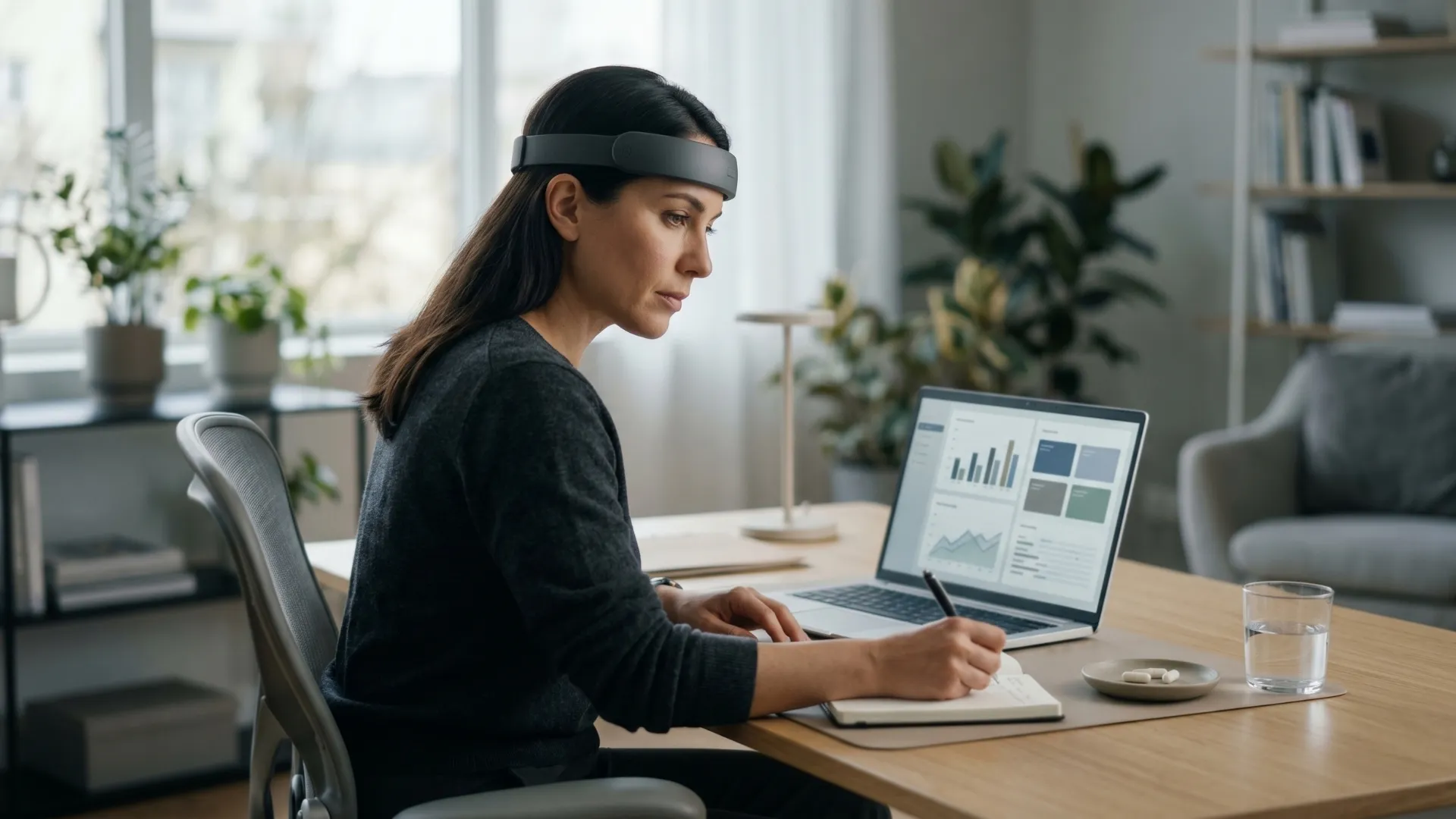
Research and technology are introducing several innovative devices designed to provide more effective tinnitus relief. One promising area is neurostimulation. These devices work by sending mild electrical or magnetic pulses to specific brain regions involved in processing sound. Some devices are worn externally, while others might involve a small implant. Early results from studies show that for some individuals, neurostimulation can significantly reduce the loudness and intrusiveness of their tinnitus.
Another advancement comes in personalized sound therapy. Unlike generic white noise, these new therapies often use precisely tailored sounds, sometimes combined with other stimuli, to retrain the brain. For example, some systems play tones or music customized to an individual’s unique tinnitus frequency. The brain then learns to ignore these frequencies or to perceive them differently. These sophisticated sound devices are a testament to how far technology has come in its ability to understand and interact with the human sensory system. Learning about general advancements in auditory health can provide more context on how these technologies are developed.
Wearable technologies, such as advanced hearing aids with built-in tinnitus maskers or noise generators, continue to evolve. These devices are becoming smarter and more discreet, offering greater customization options that allow users to fine-tune their sound environment to best manage their symptoms throughout the day. The integration of artificial intelligence into these devices has the potential to deliver even more personalized and adaptive tinnitus relief solutions.
Promising New Therapies
Beyond physical devices, several new therapeutic approaches are also showing great promise. Targeted sound and music therapies are becoming more refined. These therapies often involve listening to specially modified music or tones over extended periods. The brain is gradually retrained to reduce its focus on the tinnitus sound. This approach leverages the brain’s amazing ability to adapt and change, known as neuroplasticity.
Cognitive Behavioral Therapy (CBT), a type of talk therapy, is also being adapted and improved for tinnitus. While traditional CBT helps individuals change their thoughts and reactions to tinnitus, newer approaches explore combining it with sound therapy or mindfulness techniques for even greater effect.
Furthermore, medical research is investigating potential pharmacological treatments. Scientists are studying specific brain chemicals and pathways that might be involved in tinnitus. New medications could someday target these pathways to reduce or eliminate the phantom sounds. Exploring how the ears and brain work is fundamental to understanding conditions like tinnitus.
The Path Forward
The process toward a universal cure for tinnitus is ongoing, but the horizon is brighter than ever. With continuous advancements in neuroimaging, genetics, and digital technologies, researchers are gaining a deeper understanding of the complex mechanisms behind tinnitus. This increased knowledge is fueling the development of more targeted, effective, and personalized treatments. While there is no instant cure yet, the array of emerging devices and therapies offers significant hope for individuals seeking relief from this challenging condition. The future promises a world where the persistent hum of tinnitus might finally fade away for good.